Wednesday, March 13, 2013

Endangered Keys Island Plant Find

Earlier today, as I began to dig through pictures from my recent kayak trip to the lower Florida backcountry keys, I came across a cell phone photo that I almost forgot I even captured of a unique plant I came across on a small, remote Island. To give you an indication of how much this plant stuck out to me in a hidden, sandy corner of the island, I made the decision to turn on my cell phone and snap a photo, which was on its last leg and had outlasted my digital camera battery at that point. So, yes, the nerd in me was willing to jeopardize having the security of a cell phone on a kayaking trip in the middle of nowhere to have the opportunity to identify this plant.

Needless to say, this was the last photo I snapped on the trip because my phone died shortly after. But, I'm so glad I did because, otherwise, I wouldn't have realized that I had come across the most rare plant I've seen to date- sea rosemary (Argusia gnaphalodes). In fact, this is the only native Argusia species found in the states.

Sea rosemary can reach 6-feet tall with a 20-foot spread, which is how I found my plant. Extremely tolerant to salt and drought, sea rosemary also prefers full sun. I found this plant in a small opening on the edge of a remote island beach hidden among a patch of red mangroves. The succulent, silky tomentose leaves really stand out and the aromatic flowers, which flower intermittently throughout the year on this evergreen shrub, were in peak bloom. Today, conservation efforts for this dune stabilizing plant are increasing through cultivation.


According to The Institute for Regional Conservation: Florstic Inventory of South Florida Database, this plant has been recorded in Monroe County, which includes the island I found it on. Globally, this plant extends through the Caribbean and into South America - Florida being its northern most range.


Sunday, March 10, 2013

Guana Tolomato Matanzas National Estuarine Research Reserve

For the second time in six months, I visited Guana Tolomato Matanzas National Estuarian Reserve (GTM) in Ponte Vedra, Florida. The northern beach area pictured below contains the highest dunes in Florida along with dozens of other unique and delicate communities that are home to 580 plant species - 8 of which are protected.


Most of what comprises this area is categorized as beach dunes, which are barren, xeric, well-drained soils. Much of the sand it comprised of shell fragments, which makes the sand of GTM so soft and unique. When I visited over the summer, loggerhead sea turtle nests were blockaded off for protection. 


Beach dune communities are categorized as being wind deposited mixed with wave-formed beach upland that is predominately populated with pioneer species, particularly the above-mentioned sea oats (Uniola paniculata). Beach dunes are of course in close proximity to the ocean so its plant communities must be highly tolerant of salt much like sea oats.


Another highly salt-tolerant species had me reminiscing back to my days in North Dakota's prairie cordgrass fields. This prairie cordgrass relative saltmeadow cordgrass (Spartina patens) is another indicator species of the beach dune community - again, another salt tolerant species. 


Further, another salt tolerant graminoid - saltgrass (Distichlis spicata) was not hard to spot throughout the reserve and the keys. I saw this species in North Dakota - saltgrass is also tolerant to alkali conditions. A good fodder for cattle, saltgrass is cultivated using saline irrigation systems in some areas of the country.


Traveling into the grassy barren lands of the beach dunes, you will quickly notice two cacti species - the most plentiful being cockspur pricklypear (Opuntia pusilla). You may find this one painfully by accident like I did. Unlike other cacti species, the thorns of cockspur prickly pear are barbed and can be embedded in the skin - trust me, I know :). In addition, the segments can easily detatch as a means of dissemination. This species, like other Opuntia spp., suffers from the infestation of the invasive cactus moth (Cactoblastis cactorum). 


The other cactus species you will find is the nobel erect pricklypear (Opuntia stricta). Both species are relatives of Ohio's only cactus species, eastern pricklypear (Opuntia humifusa). This species has become a serious problem in other countries and has prompted the release of the aforementioned cacti moth, which has hurt this plant in its native distribution.


Blanketflower (Gaillardia pulchella) can be seen throughout the beach dune community as well. This species is widespread but different from the northern species (G. aristata) I encountered in most prairies throughout North Dakota. Like its relative, G. pulchella is highly drought tolerant and prefers well-drained soil. G. pulchella differs morphologically by being more red than yellow, unlike its northern relative.


Tread softly or "finger rot" (Cnidoscolus stimulosus) is a nasty little poisonous plant of the Euphorbiaceae family. It is not a true nettle but its hairs can cause a severe rash to some. This little plant prefers well drained soils and is often found in coastal dune habitat throughout the south.


Much like the cacti, this thistle stuck out like a sore thumb among the beach dune plants. I've never seen such a robust thistle than this horrible thistle (Cirsium horridulum). Look at all those spines! It's no wonder why this species is named the way it is.


Guana Tolomato Matanzas will continue to keep me coming back for its soft wave-tumbled shell beaches, luch biodiversity, and vast continuum of blue-green water colors. Not to mention, this section of beach never fails to line my pockets with shark teeth. This is one of the prettiest areas I've ever been to - another hidden gem of Florida.

Saturday, March 9, 2013

Lower Keys Backcountry Kayak/Camp Excursion

In my experience, the ultimate method of travel is via excursions. Excursions allow you to traverse an area in its rawest form often in a way that only local people have the chance of experiencing - you actually get to live and breathe an area rather than viewing it from afar through a high-rise hotel window. Not to mention, if done right, backpacking trips can allow you to save big bucks! With the right preparation and attitude, a well-thought-out excursion can act as a window into an area's flora, fauna, culture and environment. During my latest trip, I led five friends and family on a 25-mile minimalist kayak/camp trip into the backcountry of the Florida Keys.


Ordinarily, the only local outfitter to offer such a guided trip charges $1000/person. This is understandable given the time a guide would need to invest into leading a multi-day trip; however, since we had our own backpacking and orienteering experience, we decided to travel into the abyss without a guide. Instead, we rented kayaks for $125/person for 5-days through Big Pine Key Adventure Kayaks, which is owned and operated by renowned wildlife photographer and "Paddle the Keys" author, Bill Keogh.

After the kayaks were reserved, the fun planning came as I dove into the area's rich flora, fauna, geology, and culture. My personal list of objectives quickly grew as I learned about the indigenous stone crab and keys pink shrimp delicacies. And, with the money I saved by choosing an unguided kayak rental rate, I decided to budget for a fishing rod. After all, I'd be spending my spring break in the fishing capitol of the world. Some of the below items would be repackaged or omitted completely to reduce bulkiness and weight. This pack weighed between 12 - 15lbs before adding food.


Day 1 (Mar 3) We were welcomed to Sugarloaf Key by rainfall at around 11pm on March 2nd. Exhausted from a long drive, we quickly threw up a couple of tents and hit the hay. We woke up to quickly pack the food we had bought the night before and barley made it out by 8:15a to meet the Bill. As he dropped us off with the kayaks, a front moved in and pounded us for an hour before quickly burning off like most storms in the Keys. Before long, we were off to the races. As we launched from Blimp Road on Cudjoe Key, we were able to see the raising of the military blimp from the US's smallest air force base, which is used for reconnoissance in drug cartel projects.


A look at Tarpon Belly Key in the distance. One of the shortest paddles proved to be of the most difficult due to the head-on wind from the northwest.


Shortly before reaching Tarpon Belly Key, I caught a nice sea trout that we sautéed in olive oil and spices mixed with idahoan instant potatoes - hit the spot! At night, we tossed bait and lures into one of the old shrimp hatchery pools and caught mangrove snappers and pin fish. Years ago, the island was dredged to form these shrimp hatcheries, which is how the island likely got its name. The hatcheries are now just channels that divide the island. During high tide, there was a lot of fish activity in there.


Day 2 (Mar 4) We woke up early to calm westerly winds so we decided to stick to our original game plan and paddle all the way to Marvin's Keys (8 miles away) despite being sore from the first day of paddling. I am still so proud of the group for not only taking the challenge but conquering it. Along the way, I caught a nice-sized Jack, which I cooked up for everybody on Johnston Key.


Further along, many of us spotted adult loggerhead sea turtles and jumping dolphins as close as 6 feet away from the boat! The gentle wind pushed us along nicely and allowed us to relax a bit and look around at the beautiful coral beds beneath the boat. With Marvin Key in sight, we decided to stop off at a beautiful white sand shoal off of barracuda keys. We collected shells and sand and relaxed before making our final leap towards Marvins Keys.


We made great time and set up camp around 4pm. Our campsites were on the northeastern side of the smaller key, overlooking the beach. What a beautiful campsite! That night, we claimed an old recreational stone crab trap buoy and carved our names into it for a souvenir. Salt grass made for great bedding for my tent.


This is the coolest, most southern benchmark I've ever encountered. This was sitting alongside a clean path through a saltgrass meadow on the island. Marvin Key is one of the lower Keys' greatest hidden gems.


That night, we made a nice fire and sipped on bagged wine. Bagged wine is cheap and proved to produce one of the greatest hangovers I've ever encountered - butttt, it's nice and packable! I pointed out some of the constellations and a few of us took a walk out to the flats to get a better look. The stars were as clear as I've ever seen them.


Day 3 (Mar 5) I woke up well before everybody else to get some fishing in. to get to the other side of the island where the famous shoals are during low tide, I had to walk through a trail, which took me through a patch of mangroves - very pretty. It was me and the keys fishing together. At one point, I got spooked by a 4-foot sand shark that had snuck up on me. No fish but a beautiful morning on one of the Florida Key's best kept secrets. People began to wake up around 9am. I made my sister coffee and jumped in a double kayak with her to get her some fishing time. We paddled into a nice grove of mangroves where we saw egrets, pelicans, plovers, white ibises, blue herons, and needlefish. I picked up a big hermit crab for her to see. On the way back, it got too shallow so I pulled her around the island where we were confronted by a brave territorial reddish heron. We must have been near its nest. As we passed, it quickly went back to fishing.


Day 4 (Mar 6) We decided to skip our final remote key destination (snipe keys) to paddle straight to Sugarloaf Key for some real food and pina coladas! What was supposed to be an 8-mile trip turned into nearly a 12-mile trip from trying to figure out which side of Sugarloaf Key the KOA was on. We paddled across Turkey Basin where we saw more sea turtles. Our trip across the chanel was beautiful as we passed over crystal clear, calm water and lush coral beds towards the old bridge. That night, we bought four pizzas, two orders of buffalo wings, and plenty of cold drinks. The Sugarloaf KOA was cheap and welcoming with showers, laundry, a pool, hot tub, cafe, and outdoor bar. Sue from Big Pine Key Kayak Adventures met us there to pick up our kayaks in the morning. We enjoyed breakfast sandwiches and news of a big storm up north before heading out to Key West. We got to our hotel around 1pm and ate lunch at the Island Dog restaurant. We checked out Margaritaville and had excellent food at the Conch Republic. I got the snapper melt.


Day 5 (Mar 7) Our last day in the keys, Destini and I saw the southern most point and drank coconut milk right out of the fruit while biking down side roads. Michelle, Rachel, Destini and I visited Earnest Hemmingway's house and we each bought ourselves a small painting from a guy named scott from Boston. He gave us a big discount because of my Red Sox hat. Destini and I finished the trip at Alonzo's Oyster Bar by trying 1/2 lb of stone crab, a bucket of clams, and conch ceviche. It was tough to say bye to the keys but it is satisfying to know that we saw everything and more that we wanted to see.

Thursday, October 11, 2012

Dolly Sods on Fire


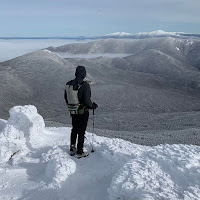
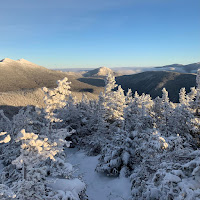
Heading east from the rolling hills of southeastern Ohio, fiddling blues and folk rock filled the car and the minds of three like-minded people who are connected by a deep fascination for the outdoors - each brining their own perspective on nature to create a well-rounded, inspiring atmosphere. As hills grew into mountains, the entrance to God's country appeared quicker than our ears could pop. Color greeted us at the gates from a palette full of anthocyanin, carotene, and xanthophylis pigments. We arrived with our headlamps guiding our path, hinting towards an unfamiliar landscape through moonlit red spruce treetop silhouettes. By morning, a sense of shock seemed commonplace as we sat and built a warm fire beneath a grove of colorful, stunted blackgum trees -  eggs, bacon, and summer sausage would fuel a long day of hiking.

 I've wandered through no other place as vibrant during autumn as the sub-arctic tundra of Dolly Sods Wilderness Area in northern West Virginia. I hiked the same trails exactly one year from this past weekend; though, the views seemed completely fresh as this weird-weathered year continues to bring surprises. Rather than last year's colorful forest canopy, the low-growing understory and meadow plants seemed to be burning brighter this year probably due to such a dry spell, which helped trees shed their leaves much quicker.

Mountain oat grass, hay-scented fern, and blueberries created an enchanting weekend for Kaitlyn and Alex who have never experienced Dolly at her best. Alex (a former guide at the Boundary Waters Canoe Area Wilderness of the northern woods) and Kaitlyn (a prolific rock climber and trip leader at Hocking College Outdoor Pursuits) both thanked me by sharing stories and teaching me about camp-cooking tricks and "leave no trace." It's so rewarding to have the chance to share a place as beautiful with good friends.

Golden carpets of hay-scented fern provided a beautiful aroma along the trails. These ferns not only out compete other plants through forming dense colonies, but also through their alleleopathic chemical composition, which inhibits growth of even the mightiest of tree species like oaks.

From the meadows to the forests, biodiversity means color during autumn. My home-state of Massachusetts was well represented with its state fower, "mayflower," mixed in with bristly dewberry, deer moss, sphagnum moss, and blueberry leaves. Beach-maple forests lit up the normally darkened woodlots.

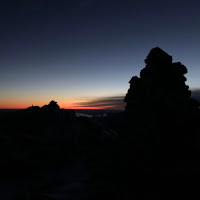
Early on, we were graced with a heavily anticipated show from the sun.

A photo from the same spot exactly one year later. This year, blueberry leaves and quartz deposits added an extra element of beauty at Bear Rocks overlooking the alluring Allegheny plateau. The geology is made up of white sandstone.

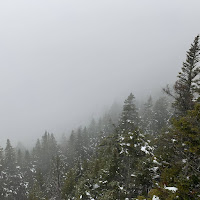
Within minutes upon arrival to this view, we were quickly swept with a familiar sight of billowing fog rolling up from the valley. Instantly, we were able to fully understand the presence and power of sub-arctic tundra weather - Dolly Sods.

Thursday, April 12, 2012

Cool Plant Discovery on Hocking Campus

I thought for sure that my next blog post would be a good two weeks from now detailing my botanical trip to Missouri and Arkansas. But you never know what exciting natural wonders might pop up - even on your daily walk to school. In fact, I've been walking the same path to school for four years and I just now took the time to further inspect an odd looking plant: Black chokecherry (Photinia melanocarpa). According to BONAP and USDA Plants Database, this plant is a new record for Athens County; however, it was planted years ago in the nearby Waterloo Wildlife Area, which is also in Athens County. I'm not sure whether or not this plant emerged from a wild seed but it sure is a pretty native plant nonetheless.


What I found most exciting about this is that it not only decided to grow on Hocking College campus where hundreds of natural resources students come to learn dendrology each year, but out of such harsh growing conditions. This old train trestle also had wild hydrangea (Hydrangea aborescens) - an indicator of rich habitat - growing out of its crevices. Just goes to show that human disturbance is not always a bad thing. Who knows, this species may very well be added to the species of plants future Hocking dendrology students are able to learn on campus. And with Hocking's dendrology course being deemed one of the most infamously difficult courses on campus, sorry guys :)

Saturday, March 24, 2012

A Garden of Art

Just finished and shipped a custom drawing for Daricia (A Charlotte Garden) - my very first customer. She provided me with a picture of her house and a list of her favorite plants and animals. I included a few native North Carolina woodland spring ephemerals that occur in Ohio as well. Thank you again for providing me with an opportunity to be creative and to have some fun in between classes!


Thursday, March 15, 2012

Extra Early Ephemerals

Did you know that this year's unusually mild winter temperatures have influenced flora and fauna species negatively? For instance, honey bees are dying in great masses due to starvation from waking up much too early. Similarly, bat species, which have already been weakened by the mysterious White Nose Syndrome (WNS), are also waking from torpor earlier than expected, burning valuable calories before any sign of food supply emerges. Oh but just wait a couple of weeks when insects do emerge in a booming way, which will likely affect crop damage, disease transmission, and of course nuisance issues. 

A host of questions arise when abnormal weather occurs. For example, many are wondering if the powers of climate change have quickly buckled to the pressures of industrialization. But before making that assumption, some scientists attribute this year's phenomenon to cyclic weather patterns such as La Nina and the Arctic Oscillation (AO). La Nina (opposite of El Nino) increases water temperature in the Pacific Ocean, which influences rainfall throughout the country, often leading to droughts in the south and heavy rainfall in temperate North America. The AO influences the position of the arctic jet stream, which controls winter temperatures; thus, snowfall. La Nina's impact on water temperature ultimately pushed an already abnormally northerly jet stream further north, which caused Ohio and many other states to experience an abnormally low amount of snowfall this year. Two main problems arise when this occurs. For example, the sun puts most of its energy into heating the ground rather than melting snow that should be there. Further, we know that snow deflects a great deal of solar energy because it is white. When there is a reduction in snow, the ground absorbs more solar energy this way as well. So, it is easy to see how two cyclic climatic events can cascade into such a dramatic change in weather by coincidentally occurring at the same time. As a result, we have one of the warmest winters on record.

Though many problems have arisen from such an unusually mild winter, one segment of society has greatly benefitted from this phenomenon - botanists. Today, Andrew Gibson (The Natural Treasures of Ohio) took me on another stroll through his stomping grounds of the biologically diverse Adam's County, Ohio to explore an extra early array of spring ephemeral plants. There, we found approximately 20 new early bloomers for the year!

One of the highlights for me along the trip was the Snow Trillium (Trillium nivale). Of course, as the common name implies, this species - the smallest of the 8 Ohio trilliums - emerges so early that they are often blooming through snow. However, they certainly didn't have to live up to their epithet this winter.

The white trout lilies did not disappoint either. Like T. nivale, this species tends to prefer calcareous soils, which are aplenty in Adams County with such an abundance of dolomitic limestone parent material. We were surprised to see them blooming this early; we were absolutely mind-boggled to see that many had already gone to fruit! The noble plant on the right is surely the king of the ephemeral forest.

Only one bloodroot was to be found today among a complete absence of rue anemone. Similarly, there was no spring beauty to be found, either. We were a bit curious as to why some plants were not in bloom yet when their associates were already so far along. Perhaps some species are less anxious to bloom when such early warm weather occurs; rather, they might rely more on an internal clock. In any event, dwarf larkspur surprised us by blooming much earlier than normal years.

Blooming toad shade trillium (Trillium sessile) was a major surprise to me since I found a healthy patch near peak bloom last year in Athens County on April 24th - almost a month and a half later than this year! Granted, Adams county is two-hours south of that population.

Two other "firsts" for me were the state threatened Michaux's leavenworthia (Leavenworthia uniflora) and one of Ohio's rarest plants - the endangered little whitlow grass (Draba brachycarpa).

Among virginia bluebells (Mertensia virginica) and yellow fumewort (corydalis flavula), we also came across two toothwort species, common blue violet (Viola sororia) , and many more. I'm already looking forward to visiting Adam's County again. Happy Spring!